

Abstract
Background: Phytolacca acinosa, commonly known as Indian Pokeweed, is often mistaken for edible spinach. While young shoots are consumed in some cultures after rigorous boiling, the mature leaves contain potent triterpene saponins and phytolaccatoxin.
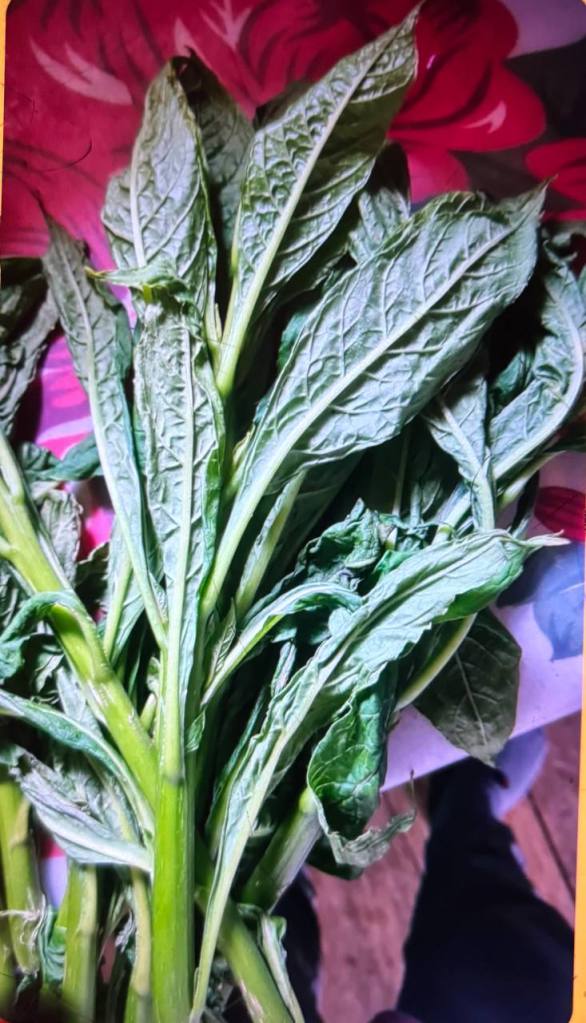
Case Presentation: A 50-year-old female presented with rapid-onset (3 hours) severe nausea, projectile vomiting, watery diarrhea, and abdominal cramping after consuming two large, raw leaves of P. acinosa.
Management: Treatment was focused on aggressive fluid resuscitation and “controlled emesis” to facilitate the clearance of toxic plant fibers, avoiding antiemetics to prevent toxin retention.
Conclusion: Early identification via photographic evidence and supportive care resulted in complete recovery within 24 hours.
1. Introduction
The Phytolacca genus comprises approximately 35 species worldwide. While P. americana is the most documented in North American toxicology, P. acinosa is prevalent in South and East Asia. Toxicity is primarily attributed to phytolaccatoxin and saponins, which act as severe gastrointestinal irritants. Ingestion of raw or mature parts of the plant leads to a rapid “burning” onset of symptoms that can mimic acute bacterial gastroenteritis or chemical poisoning.
2. Case Presentation
2.1 Patient Information
- Age/Gender: 50-year-old Female.
- Medical History: Remarkably fit with no prior chronic illnesses or surgical history.
- Chief Complaint: Sudden onset of agonizing abdominal pain, persistent vomiting, and profuse watery diarrhea starting 3 hours post-ingestion.
2.2 Physical Examination and Clinical Findings
Upon arrival at the Emergency Department (ED), the patient was conscious and oriented but in visible distress.
- Vitals: Stable (BP 120/80 mmHg, HR 78 bpm, RR 18/min, SpO2 98% on room air).
- Gastrointestinal: Hyperactive bowel sounds, diffuse abdominal tenderness without guarding or rigidity.
- Neuromuscular: Mild bilateral hand tremors were noted, likely secondary to electrolyte shifts or the neurotoxic potential of phytolaccatoxin.
- Vomitus: Watery with visible green fibrous material.
2.3 Diagnostic Assessment
Initial suspicion of acute gastroenteritis was pivoted to acute phytotoxin poisoning following the patient’s admission of consuming “wild spinach.”
- Identification: A photograph of the plant provided by the family confirmed the species as Phytolacca acinosa.
- Toxicology Note: Unlike many toxins that have a delayed onset, Phytolacca species typically trigger symptoms within 30 minutes to 6 hours, matching this patient’s 3-hour window.
3. Therapeutic Intervention
The management strategy focused on decontamination through natural emesis and hemodynamic stabilization.
| Phase | Intervention | Rationale |
| Airway/Breathing | Continuous monitoring; Patent airway. | Prevention of aspiration during forceful vomiting. |
| Circulation | IV Dextrose Normal Saline (DNS) at maintenance. | Correcting dehydration from diarrhea and emesis. |
| Decontamination | Oral Rehydration Solution (ORS) encouraged; Antiemetics withheld. | ORS served as a gastric lavage medium. Withholding antiemetics allowed the body to expel the indigestible toxic fibers. |
| Avoidance | No Nasogastric (NG) decompression. | Avoided further mucosal trauma given the irritant nature of the saponins. |
4. Discussion
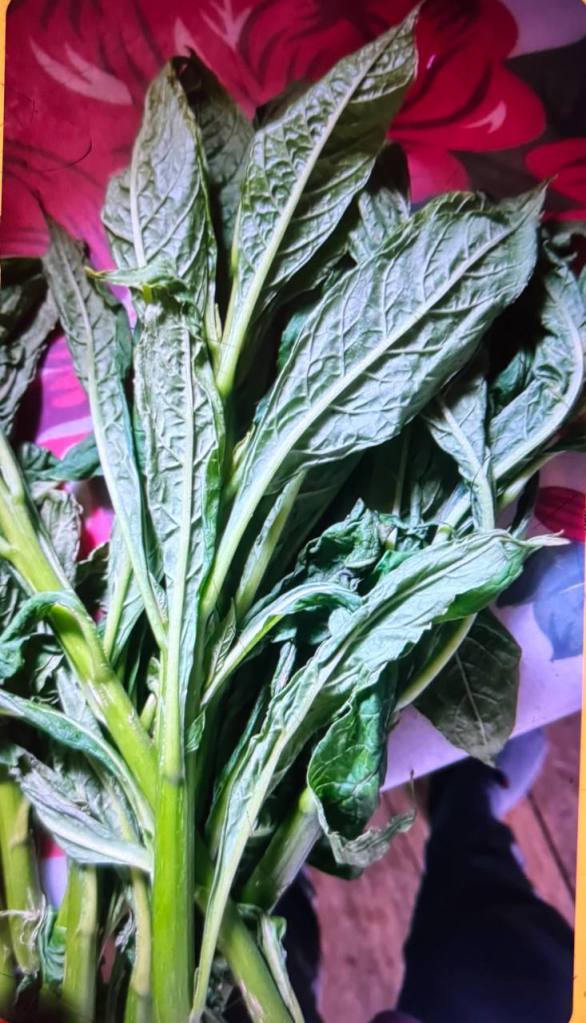
Phytolacca acinosa contains several toxic components, most notably phytolaccagenin (a triterpene sapogenin). When ingested raw, these compounds cause:
- Direct Mucosal Irritation: Leading to the “green fiber” emesis observed.
- Severe Peristalsis: Resulting in cramping and rapid-onset diarrhea.
- Systemic Effects: In high doses, these toxins can cause tachycardia, respiratory depression, and tremors (as seen in this patient).
Literature Comparison
Research indicates that while P. americana is often cited for causing plasmacytosis (an increase in white blood cells), P. acinosa is more commonly associated with severe, self-limiting GI distress in Asian regions. Most cases resolve within 24 to 48 hours with supportive care alone, as the toxins are not typically absorbed in lethal quantities if emesis occurs early.
5. Patient Outcome and Follow-up
The patient reported feeling incrementally better after each episode of vomiting. By the 18-hour mark, the tremors subsided, and the GI symptoms transitioned from acute to mild.
- Discharge: After 24 hours of observation with stable vitals and no further vomiting, she was discharged.
- Advice: Educated on plant identification and the dangers of consuming raw Phytolacca species.
6. Lessons for the Clinician
- Botany in the ER: Photographic evidence is a critical diagnostic tool in modern emergency medicine for plant ingestions.
- Conservative Management: In specific plant poisonings where the toxin is an irritant rather than a systemic metabolic poison, allowing “therapeutic emesis” can be more effective than pharmacological suppression.
- Public Health: There is a need for better education regarding “wild spinach,” as heat-labile toxins in P. acinosa require specialized preparation (repeated boiling) to be rendered safe.
References (Representative):
- Lewis, W. H., & Smith, P. R. (2024). Pokeberry (Phytolacca americana) poisoning in adults.
- Journal of Medical Toxicology: Clinical features of Phytolacca acinosa poisoning in South Asia.
- The CARE Guidelines for Case Reports.


